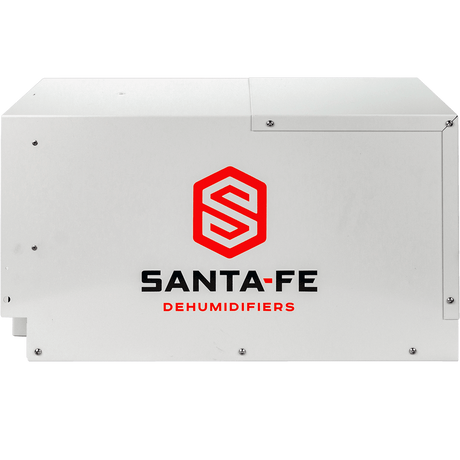
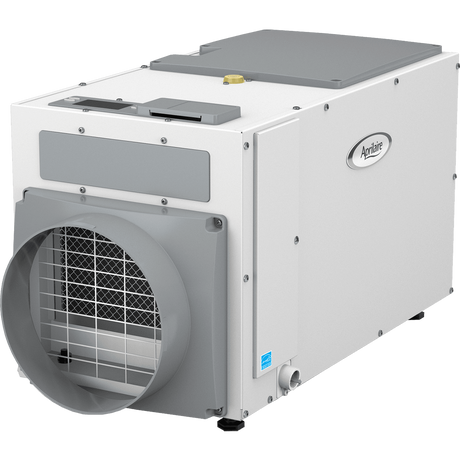
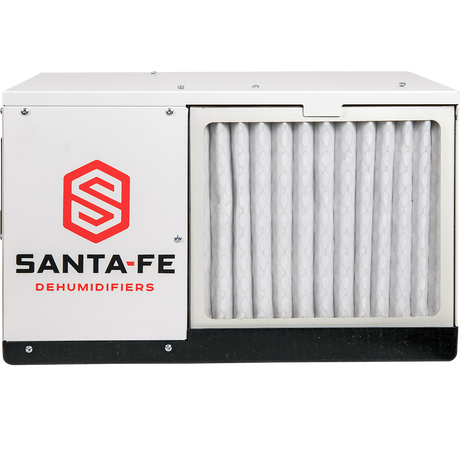
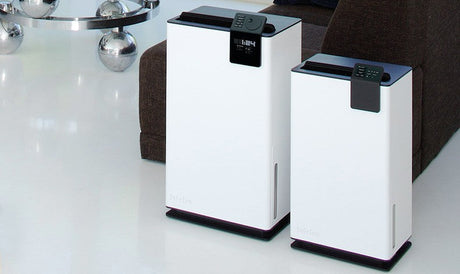
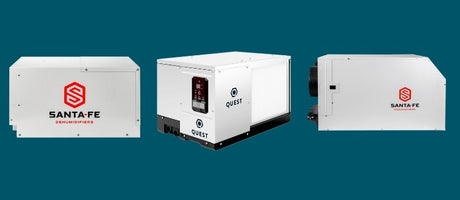
Sylvane offers dehumidifiers from top rated brands, engineered to quietly reduce humidity and boost your indoor air quality with state-of-the-art dehumidification technology, supporting healthier living and working spaces, while also preventing structural damage that could lead to costly repairs down the line.
What Is a Dehumidifier?
A dehumidifier is a powerful piece of tech, but what it does is actually very simple. Dehumidifiers pull in humid air, extract the moisture, then release the drier air back into the room. It’s a straightforward process but the results can be extremely impactful on your home and health. Not convinced? Dehumidifiers have been proven to:
- Prevent mold and mildew growth
- Reduce allergens and moisture-loving pests like dust mites
- Eliminate damp, musty odors
- Make your space more breathable
- Create a more comfortable, balanced environment
It’s easy to confuse dehumidifiers with other air-focused appliances like air conditioners or air purifiers. Although these products do improve your air quality, they work in different ways. Air conditioners cool the air, purifiers clean the air by removing particles and dehumidifiers specifically target humidity.
Dehumidifier Use Cases
High humidity isn’t just uncomfortable, it can be hazardous, too. Mold growth, moisture damage, and allergens all flourish when humidity levels are left unchecked, and these problems can worsen over time. High humidity can sneak into just about any space and when it does, the effects are hard to ignore.
Musty odors linger, condensation builds up on windows, wooden floors or furniture begin to warp, and allergy triggers like dust mites and mold spores thrive. A dehumidifier provides a simple, effective solution to tackle these problems head on. In the home, dehumidifiers are useful in areas prone to excess moisture. Basements and crawl spaces are common trouble spots, where lack of airflow traps humidity and leads to mildew or structural damage.
Bathrooms and laundry rooms often stay damp due to frequent water use, while bedrooms in humid climates can feel stuffy and uncomfortable without proper moisture control. In commercial and industrial settings, dehumidifiers protect equipment and maintain air quality in various places like warehouses, server rooms, gyms and healthcare facilities.
Elevated humidity can damage sensitive electronics, compromise stored goods and even undermine hygiene and safety standards, so reliable moisture control is essential here.
Dehumidifiers can also safeguard wood flooring, musical instruments and books as well as electronics which can warp, rust or decay under high humid conditions. Your comfort will also be improved by eliminating clammy and sticky air particularly during hot and humid months.
Types of Dehumidifiers
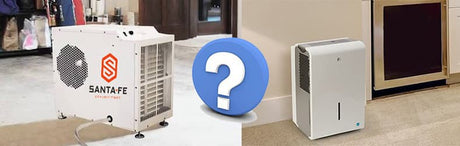
There are two main types of dehumidifiers: desiccant models use moisture-absorbing materials to pull humidity from the air. They’re typically lightweight, whisper-quiet, and work especially well in cooler spaces where refrigerant models might struggle. Refrigerant models (compressor-based) cool the air to condense and extract moisture. These are powerful and efficient in warmer rooms, so they’re a go-to for most household and commercial needs. The most important thing is how you plan to use your dehumidifier:
To get the most out of your dehumidifier, regular maintenance matters. Dehumidifier filters and accessories are designed to keep your unit at peak performance round-the-clock, all year long.
Pump vs Gravity Drain Dehumidifiers
When choosing a dehumidifier, one of the most important considerations is how collected water will be drained.
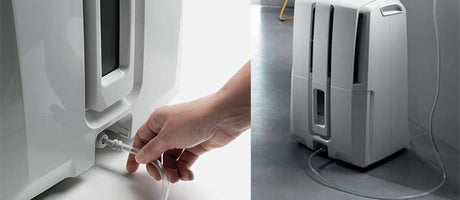
Gravity drain dehumidifiers use a drain hose that relies on natural downward flow, making them an effective option when a floor drain is located below the unit. Pump dehumidifiers feature a built-in condensate pump that can move water upward or across longer distances to a sink or utility area.
This added flexibility makes pump-equipped models ideal for basements and other locations where a nearby floor drain may not be available. Gravity drain units are typically more affordable but pump dehumidifiers offer greater installation versatility and reduce the need for manual water removal.
Refrigerant vs Desiccant Dehumidifiers
Refrigerant and desiccant dehumidifiers remove moisture in different ways and are suited to different environments.
Refrigerant dehumidifiers work by drawing humid air over cold coils, causing moisture to condense and collect in a tank or drain system. They are highly energy-efficient and perform best in warm and humid spaces.
Desiccant dehumidifiers use a moisture-absorbing material to extract water from the air, making them more effective in cooler temperatures where refrigerant models may lose efficiency.
What Size Dehumidifier Do I Need?
The recommended size for dehumidifiers in your home, office, basement or crawl space will vary depending on the size of the space.
- Small Room - 20-35 pint
- Basement - 50-70 pint
- Crawl Space - 70+ pint
- Whole House - dedicated whole home unit
Expert Advice
"Choosing the right size dehumidifier is one of the most important factors in controlling indoor humidity effectively. A unit that's too small may run continuously without removing enough moisture, while an oversized model can cycle on and off too frequently, reducing efficiency and potentially shortening its lifespan. Matching the dehumidifier's capacity to your space ensures better moisture control, lower energy consumption and more consistent comfort."
Alexander Popp - Indoor Air Quality Specialist
Why Buy From Sylvane?
At Sylvane we do more than just sell dehumidifiers, we help you find the right solution for your space. Whether you’re a homeowner suffering from allergies, tackling basement humidity, or a contractor outfitting a commercial facility, you can count on us for expert guidance and a thoughtfully selected range of reliable products. We make the process easy with fast shipping, hassle-free returns, and frequent special offers that add real value. And if something doesn’t go as planned, our dedicated U.S. based customer support team is here to help you when you need it. Trusted by homeowners, contractors, and businesses for over 20 years, Sylvane is a reliable partner in creating healthier indoor environments—no guesswork, just proven solutions.
FAQs
Are dehumidifiers expensive to run?
Dehumidifier energy usage varies based on the unit’s size, efficiency rating and how often it runs. Many ENERGY STAR® certified models are designed to remove moisture while minimizing electric consumption to make their operation relatively inexpensive, especially compared to the potential costs of moisture damage and mold growth. In areas with consistently high humidity, a properly sized dehumidifier can help improve comfort and may even reduce strain on your air conditioning system.
How do I size a dehumidifier for my space?
Start simple by considering the square footage of the area. Then, think about the severity of the humidity. Sylvane offers small, medium, and large rooms or whole house models to help you find the right fit based on room size and moisture level.
What’s the ideal humidity level?
For comfort and health, indoor humidity should be kept between 30% and 50%. Experts generally agree this range helps prevent mold growth and reduces allergens.
How can I check the humidity of a room?
The easiest way to measure the humidity in a room is with a hygrometer, a small device that displays the relative humidity (RH) level in the air.
How much electricity does a dehumidifier use?
It depends on the unit’s size and runtime. Most modern dehumidifiers use between 0.23 and 0.98 kWh per hour. ENERGY STAR® certified models offer greater energy efficiency.
Do dehumidifiers need to be cleaned, maintained, or drained?
Yes. Regular maintenance prolongs their lifespan and gives you better value. This includes cleaning filters, emptying the water tank or checking the drain hose, and wiping down the coils or grilles as needed.
Can I use a dehumidifier in winter?
Desiccant dehumidifiers are best for colder environments, as they don't rely on refrigeration. Some refrigerant models can operate in low temps, but performance may decline.
What’s the difference between a residential and commercial model?
Residential dehumidifiers (or “home dehumidifiers”) are for houses. Commercial units are built for heavy-duty, continuous use in larger or more demanding spaces.