Why Dehumidifiers Are Essential After Water Damage
Suffering water damage? Act now. Dehumidifiers for water damage can mean the difference between a crisis and a crisis averted:
- After leaks and floods: Moisture can easily become trapped in your walls.
- Mold and rot: Excess water can seriously harm your home’s structure.
- Faster drying: Water damage restoration dehumidifiers pull maximum water.
- Preservation: No need for demolition. Preserve instead!
- Compliance: Dehumidifiers may be necessary for insurance remediation and restoration.
Common Water Damage Scenarios That Require a Dehumidifier
You could benefit from a dehumidifier for water damage if you’ve noticed:
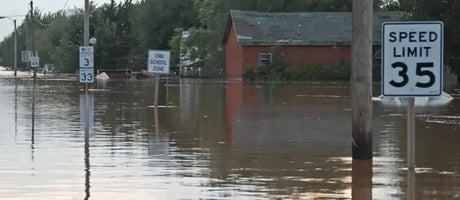
- Basement flooding after a storm.
- Burst pipes under floors or inside walls.
- Roof leaks are soaking attics or drywall.
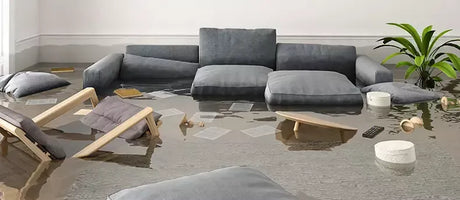
- Overflowing sinks or washing machines.
- Hurricane or heavy rain damage.
- Sewage backups or gray water contamination.
- Leaking HVAC units or water heaters.
What Type of Dehumidifier Do You Need for Water Damage?
Explore our range of dehumidifiers for water damage and make sure you’re making the right investment:
Benefits of Using a Dehumidifier After Water Damage
Neglecting water damage only leads one way. Invest in a dehumidifier after water damage to avoid further expense:
- Mold prevention: Mold can build in moist environments in just 24 hours.
- Less downtime: Faster drying means ultimately less structural damage.
- Item protection: Keep your flooring, drywall, furniture, and personal items safe.
- Smell reduction: Get rid of those pesky smells and odors after flooding.
- Insurance: Dehumidification helps support insurance claim documentation.
- Air quality: Boost your indoor air quality and banish harmful allergens.
Why Buy Water Damage Dehumidifiers from Sylvane?
The first thing that sets Sylvane apart is our selection of tested dehumidifiers for water damage from top brands. We serve business and homeowners with everything from residential to full restoration-grade dehumidifiers.
More than that, we provide tailored support to help every customer make exactly the right choice and save money. Plus, we include fast shipping and warranties on every order!
FAQs About Using Dehumidifiers for Water Damage
How soon should I use a dehumidifier after water damage?
Immediately. Mold can actually begin growing in 24 hours. Acting fast means saving money.
How long should I run the dehumidifier?
Until humidity stabilizes below 50%. This can take a few days.
Do I need to use fans with a dehumidifier?
It’s a good idea as fans help circulate the moisture and dry it up faster.
Can I use my regular home dehumidifier for flood cleanup?
Regular dehumidifiers are best for minor jobs, but severe damage requires commercial-grade models.
What’s the difference between a standard and LGR dehumidifier?
LGR models essentially remove moisture in less time.