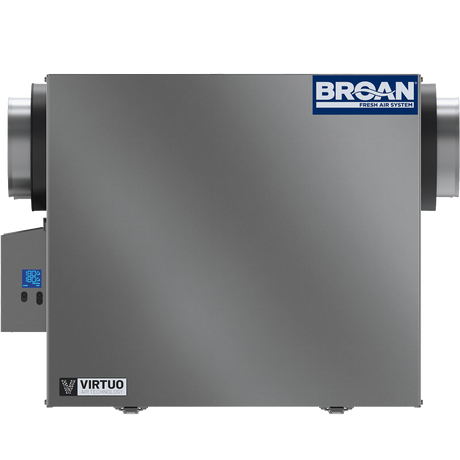
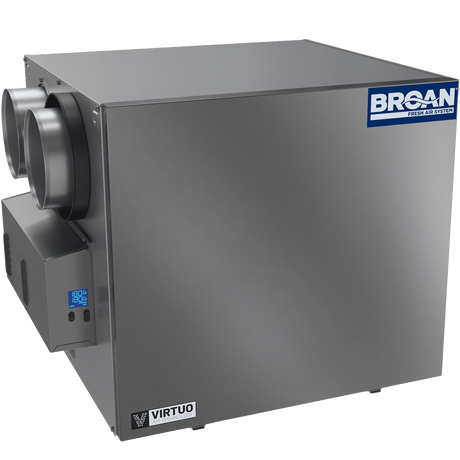
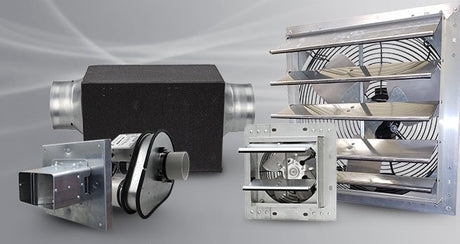
What Is an ERV or HRV Ventilation System?
ERV systems and HRV systems do two things: keep your home healthy and minimize energy loss. But they do this in different ways:
- ERV systems (Energy Recovery Ventilators): These handy units bring in fresh outdoor air and push out stale indoor air. They transfer heat and moisture in the process. Ideal for mixed and humid climates.
- HRV systems (Heat Recovery Ventilators): Very similar to ERVs, only instead of transferring heat and moisture, they transfer heat only. Perfect for cold, dry climates.
Both ERV and HRV systems keep your air fresh and your energy bills low. Professionals usually integrate them into ductwork to serve your entire home.
Why Might You Need an ERV or HRV System?
Sometimes, an HRV or ERV system is the best way forward. Here’s where they really make the difference:
- Modern airtight homes: Energy-efficient construction is great in the winter, but you might find yourself facing stagnant and polluted air. Both ERV and HRV systems tackle this.
- Health concerns: ERVs and HRVs combat the pollutants that are currently keeping your air quality low.
- High-humidity or dry climates: The top way to manage indoor moisture levels and stay comfy in extreme climates.
- Homes with pets, cooking odors, or household chemicals: Fresher air in high demand environments.
- Energy-conscious homeowners: All the benefits of a fresh breeze without losing money through the windows.
- Commercial applications: Keep your most important spaces—offices, gyms, schools, clinics—clean and comfortable all year long.
Types of ERV & HRV Systems
ERV and HRV systems are subtly different. Not only that, each type has multiple subtypes, too. So it’s important you make the right choice.
- ERV system: Tackles high humidity by transferring both heat and moisture in humid or mixed climates.
- HRV system: Keeps your humidity levels spot-on by transferring heat. Best for cold and/or dry climates.
Both ventilator types come in a range of shapes and sizes:
- Ducted whole-house systems: Subtle and inconspicuous, installed directly into your existing HVAC system or ductwork for whole-home coverage.
- Wall-mounted or compact units: A convenient option for those who live in smaller homes or apartments, or simply need a solution for one room.
- Controls and automation: Many units come with smart controls that do the work so you don’t have to. Think humidity sensors and programmable timers.
We offer HRV & ERV ventilation systems from leading brands like:
How To Choose Between ERV & HRV Ventilation Systems
An ERV and an HRV both bring fresh air into an airtight home but there are some key differences to consider before buying one.
Features
Heat Transfer - both ERVs and HRVs transfer heat between air streams.
Moisture Transfer - only ERVs transfer moisture to balance humidity. HRVs require indoor humidity levels to mirror outdoor conditions.
Best Climate - For ERVs, hot humid summers or tight and dry homes are best suited. For HRV, cold, dry winters are best suited.
Summer Behavior - HRVs bring in hot and humid outdoor air as it is. ERVs have pre-conditioned the incoming hot, humid air by removing moisture.
Winter Behavior - HRV exhausts stale air but retains heat. ERVs retains heat and prevents the home from becoming overly dry.
Expert Tip
“The best way to choose between an ERV and HRV isn’t temperature - it’s moisture control. If your home traps humidity and condensation, an HRV is usually the smarter fit. If your air feels dry and uncomfortable year-round, an ERV helps maintain healthier indoor moisture levels while improving efficiency.”
Alexander Popp - Indoor Air Quality Expert
Why Choose Sylvane?
Sure, at Sylvane, you’ll find a huge selection of top brands and trusted HRV and ERV system solutions. But you’ll also find a whole lot more.
Sylvane has been a leading air quality specialist for more than 25 years. When you buy with us, you can rest assured you’re not only getting quality products, tested by our experts, but comprehensive technical expertise and fast shipping backed by U.S.-based service. Beyond that, Sylvane customers also enjoy unparalleled guidance and resources. Improving your comfort has never been so easy.
ERV & HRV FAQs
What’s the difference between an ERV and an HRV?
Both ERVs and HRVs ventilate your air and retain energy. An ERV (Energy Recovery Ventilator) does this by transferring heat and moisture. An HRV (Heat Recovery Ventilator) only transfers heat.
Which type is better for my climate?
If you live in a colder, drier climate, go for an HRV system. ERV systems are better suited to humid or mixed climates.
Do I need ductwork to install one?
Not necessarily. Many models install into ductwork, but some can be wall-mounted.
Can I install an ERV/HRV myself, or do I need a professional?
We always recommend hiring an HVAC professional to install an ERV or HRV system. This is safer and could save you money on repairs.
How do I size a ventilation system for my home?
There’s a lot to consider when it comes to sizing. The most important thing is the square footage of your house/room. The number of bedrooms is also important.
Will this replace my bathroom or kitchen exhaust fans?
Some can. However, kitchens and bathrooms are high-demand areas, so it’s a good idea to keep exhaust fans in place.
How often do filters or components need maintenance?
We recommend cleaning ERV/HRV components at least twice a year. This helps keep things running smoothly without costly breakdowns.
How long do ERV & HRV systems typically last?
These systems will typically last 15-20 years, provided maintenance is handled correctly. You should replace routine filter changes and periodic core inspections.